
Brazilian Midcentury
October 23, 2026
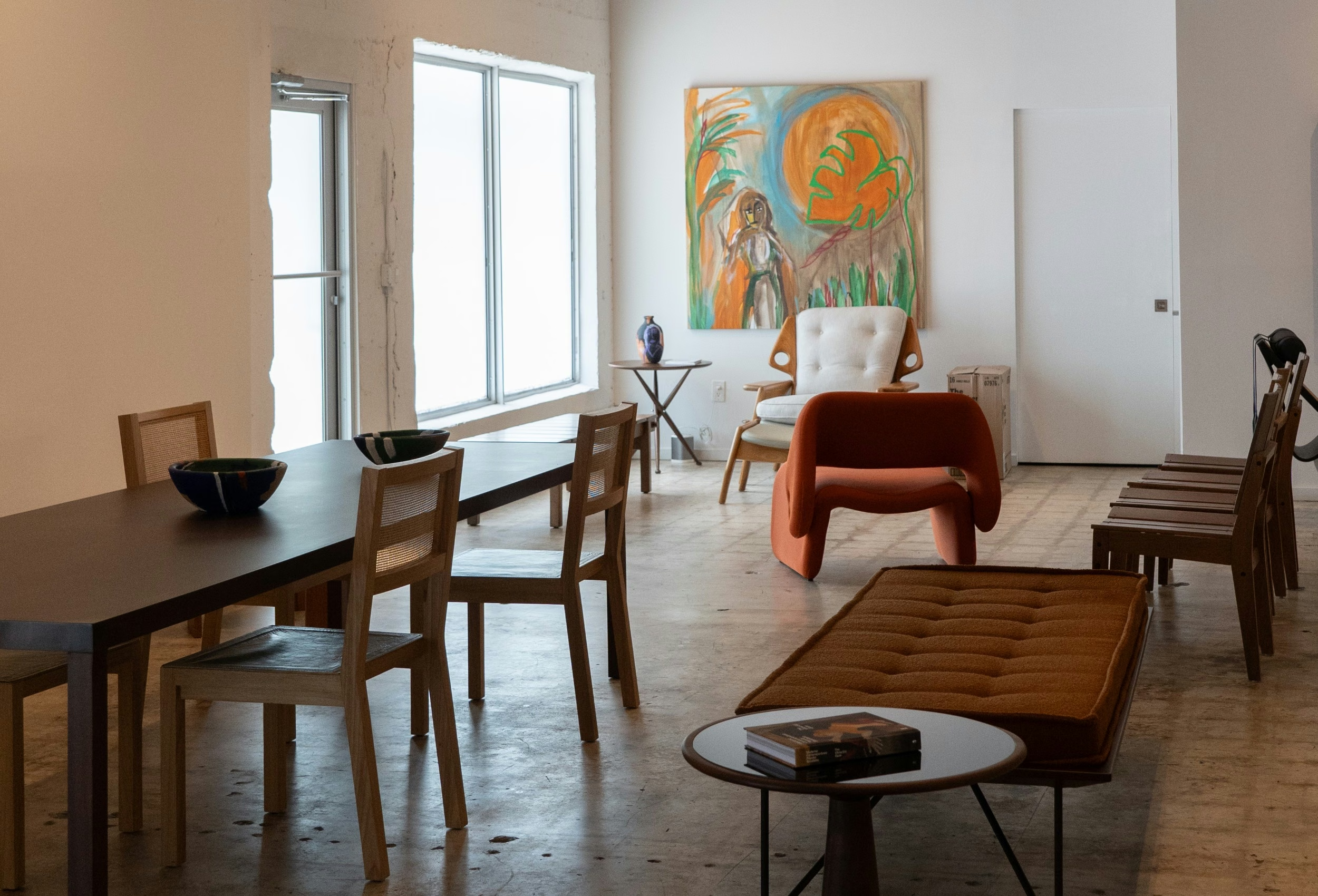
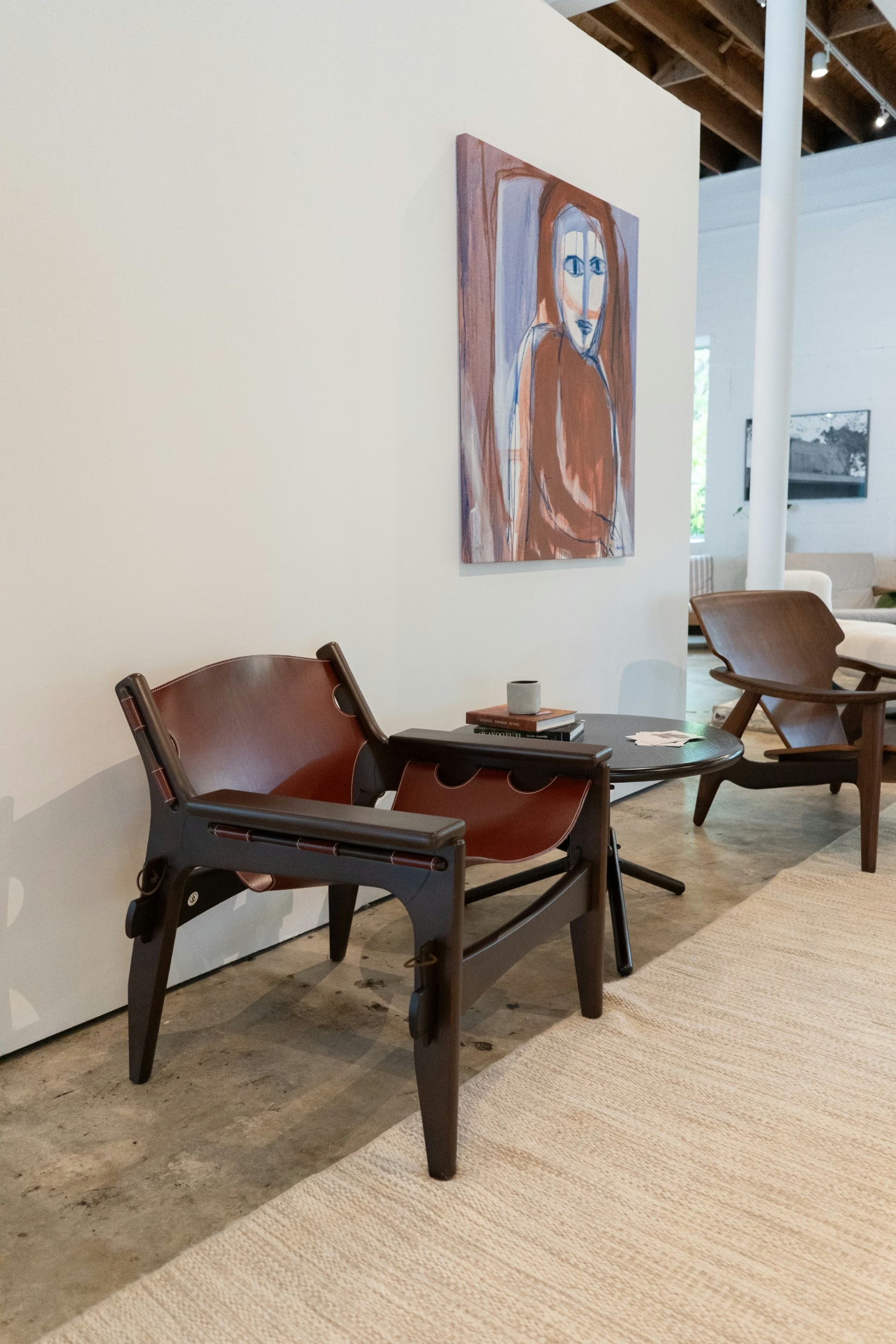
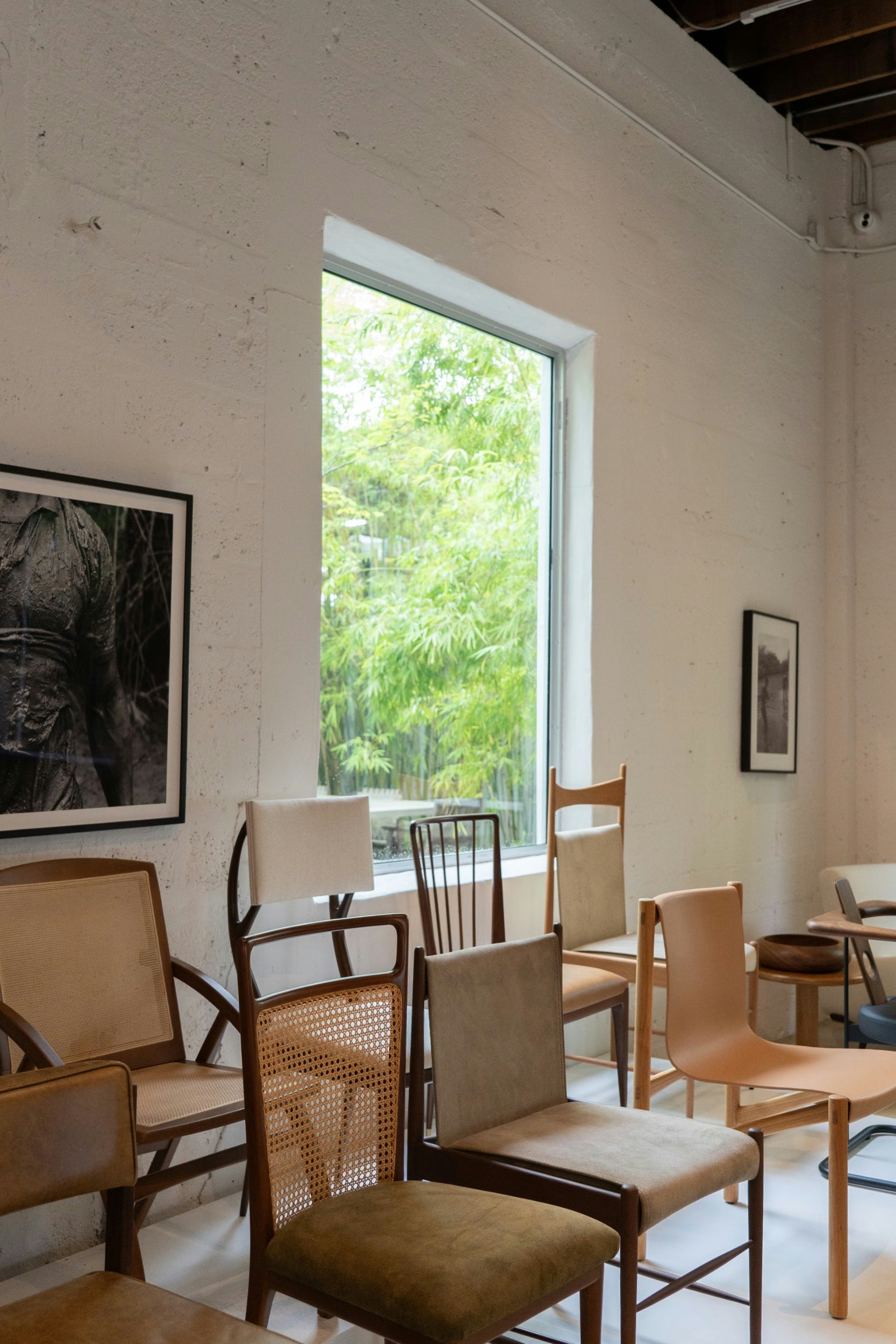
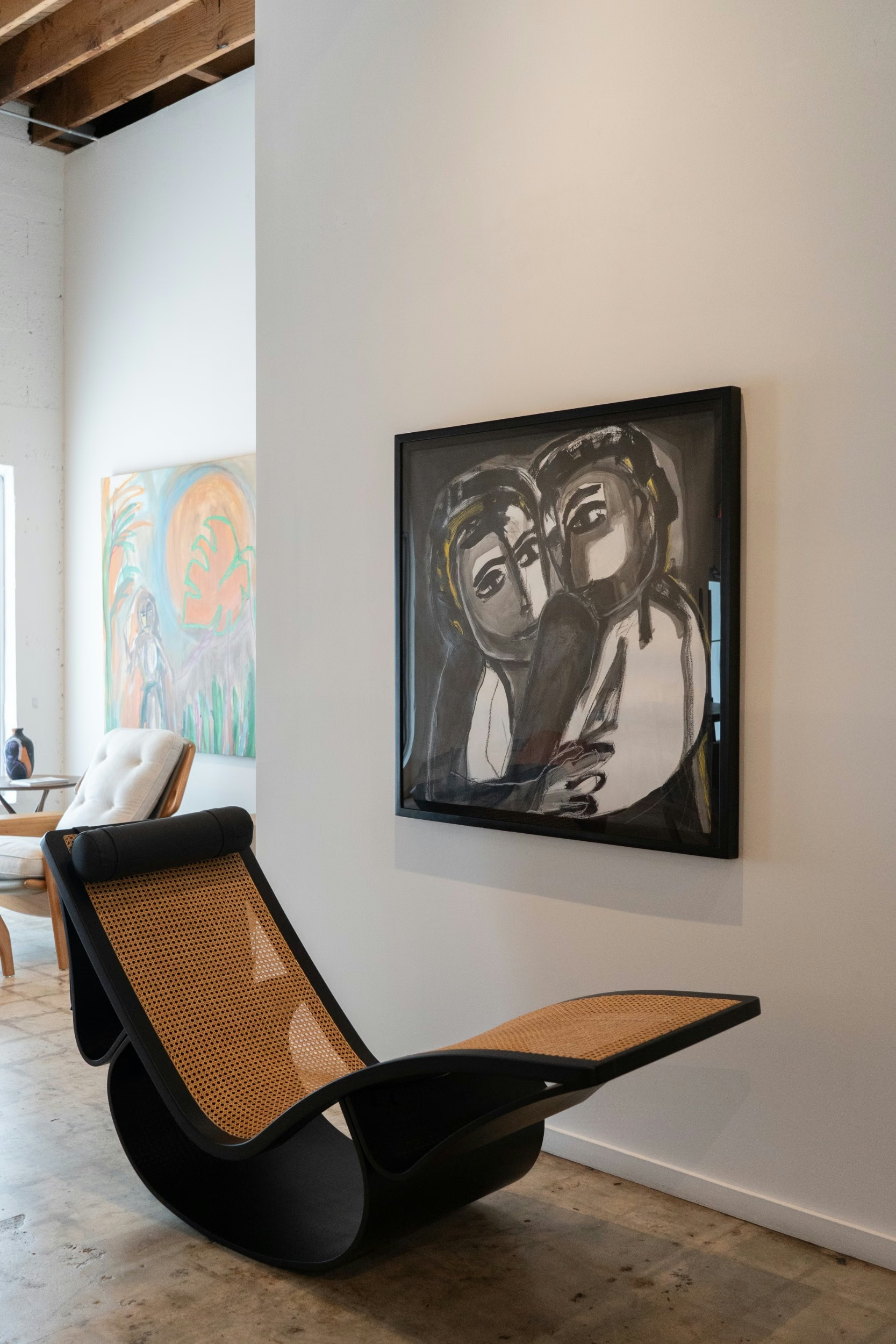
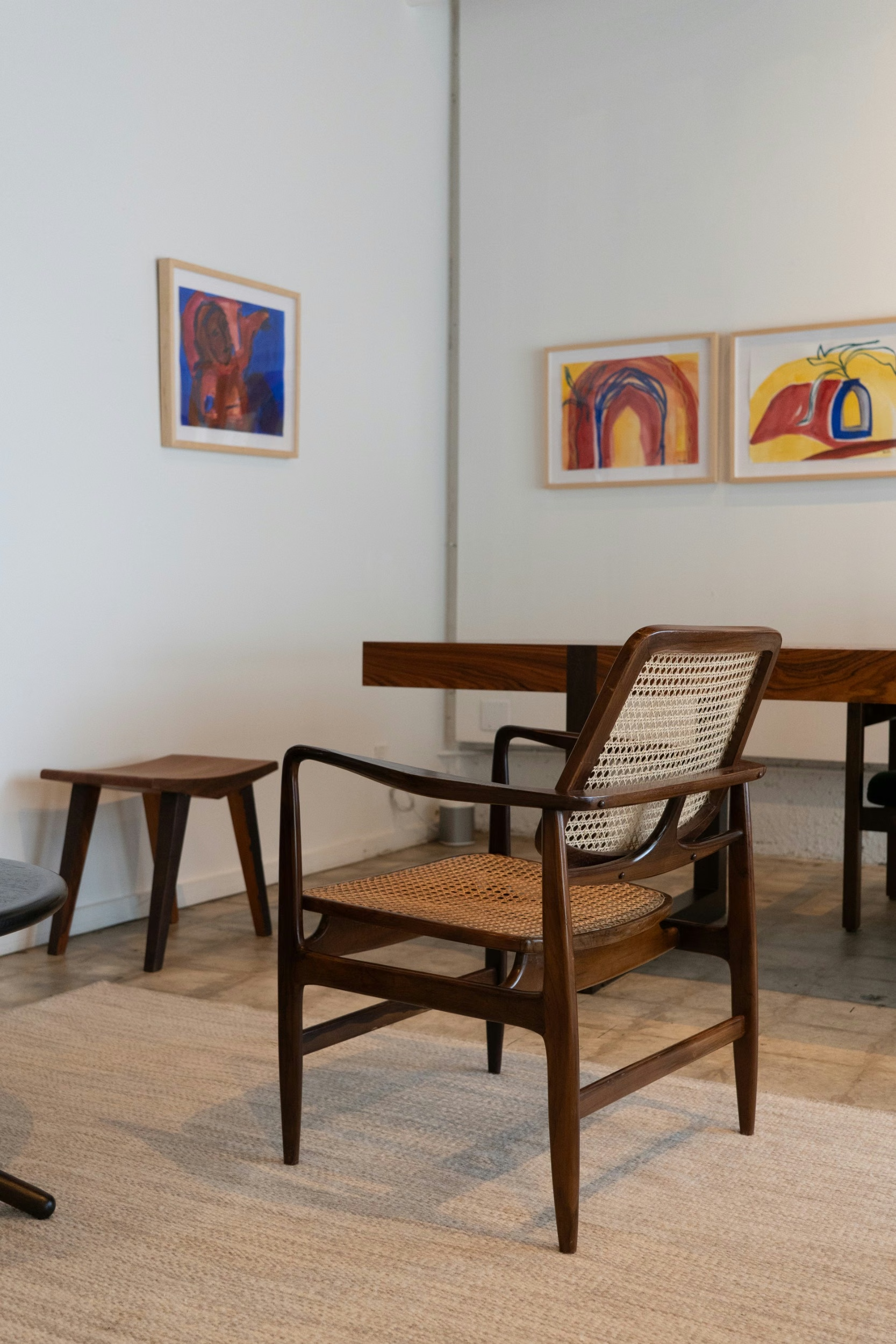
In Miami, Brazilian vintage seems to appear everywhere. We see it in local interior designers' projects, in galleries, at Design Miami. And it makes sense to see it here. Brazilian modernism developed around the tropical climate and materials. Open wooden structures, cane, and leather work well in high humidity; low seating and open frames fit naturally into architecture built around indoor-outdoor living.
The furniture has very recognizable material choices. Jacarandá, imbuia, roxinho, cabreúva, pequi, and other Brazilian woods gave designers a wide range of colors and grain patterns.
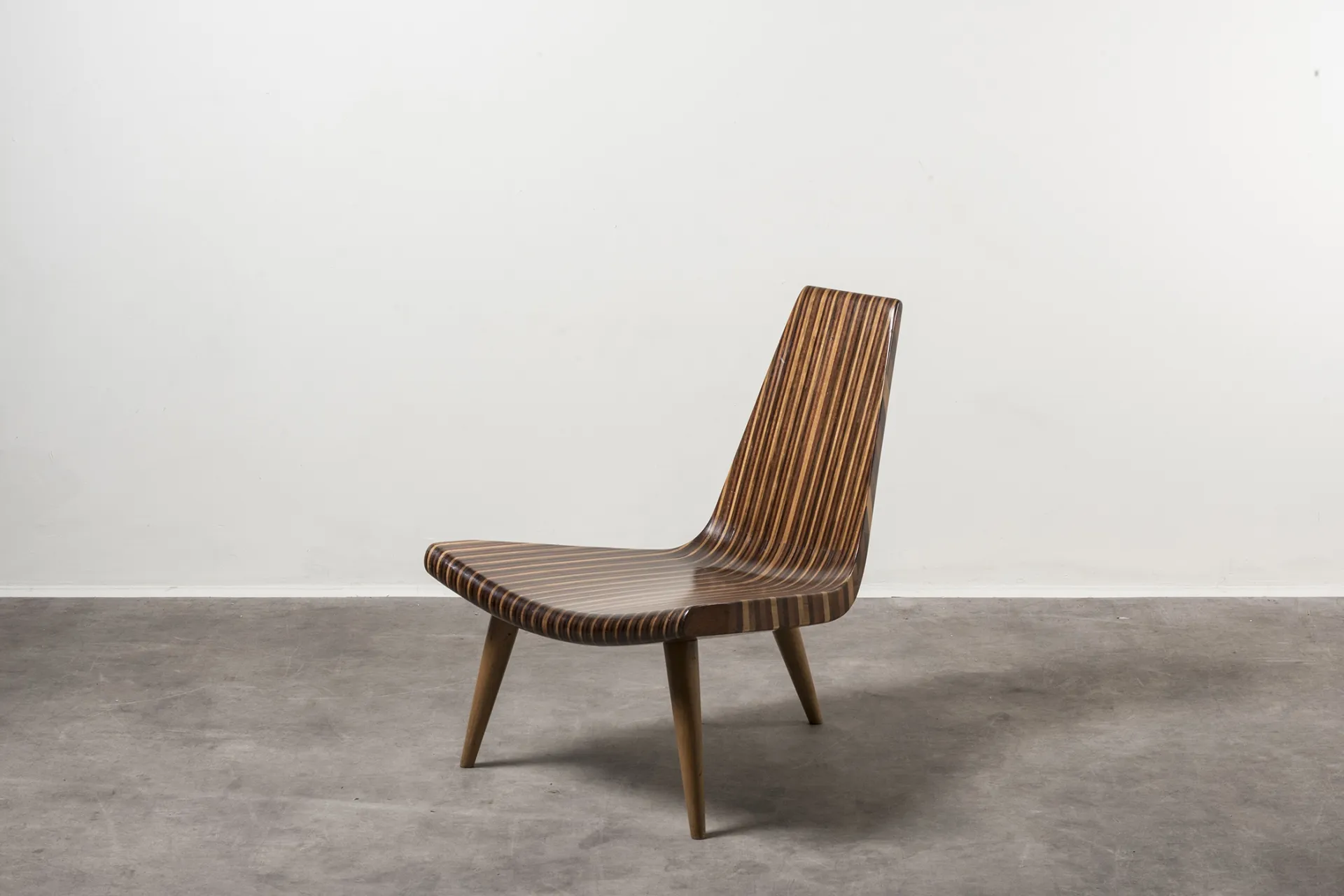
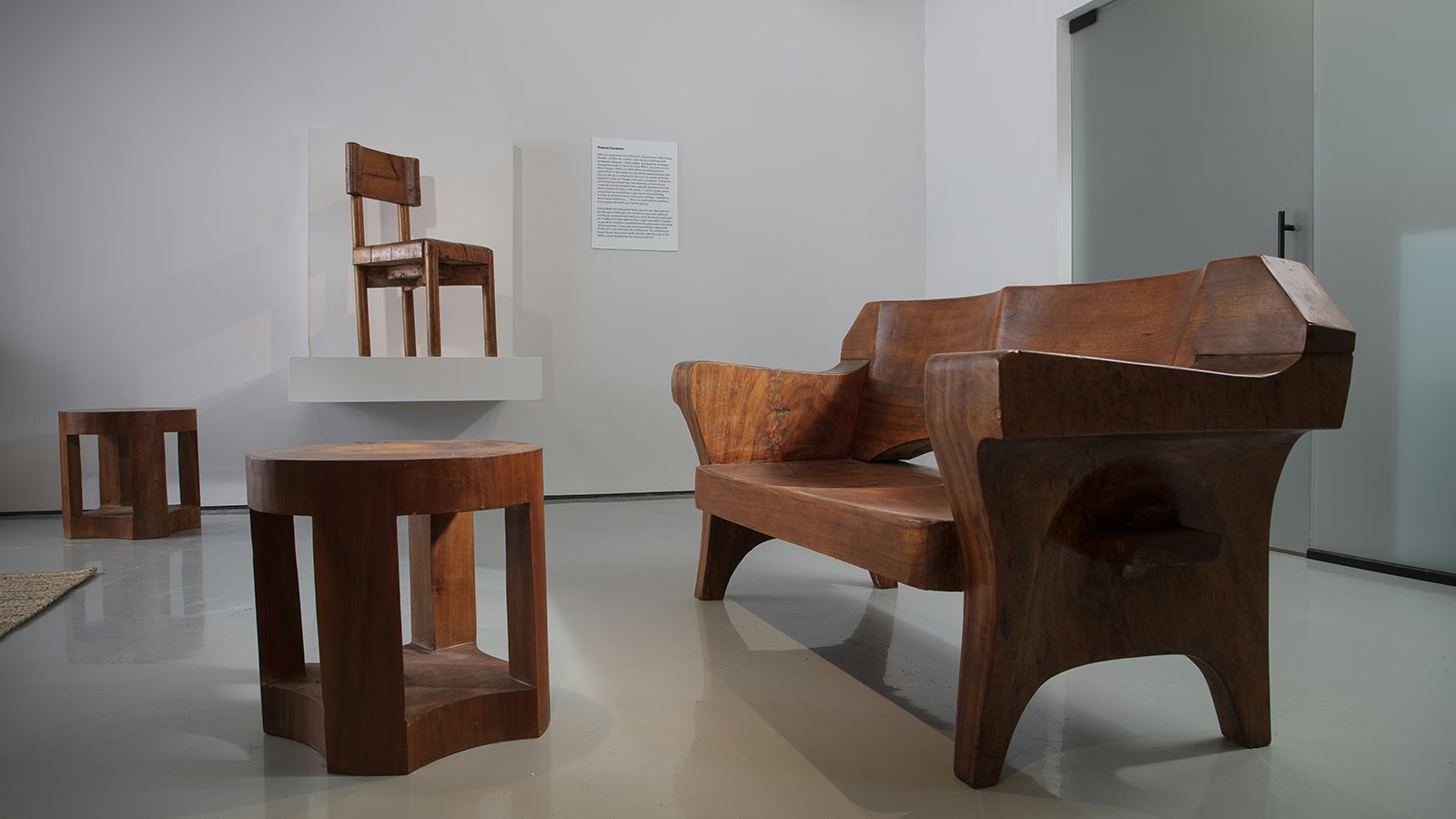
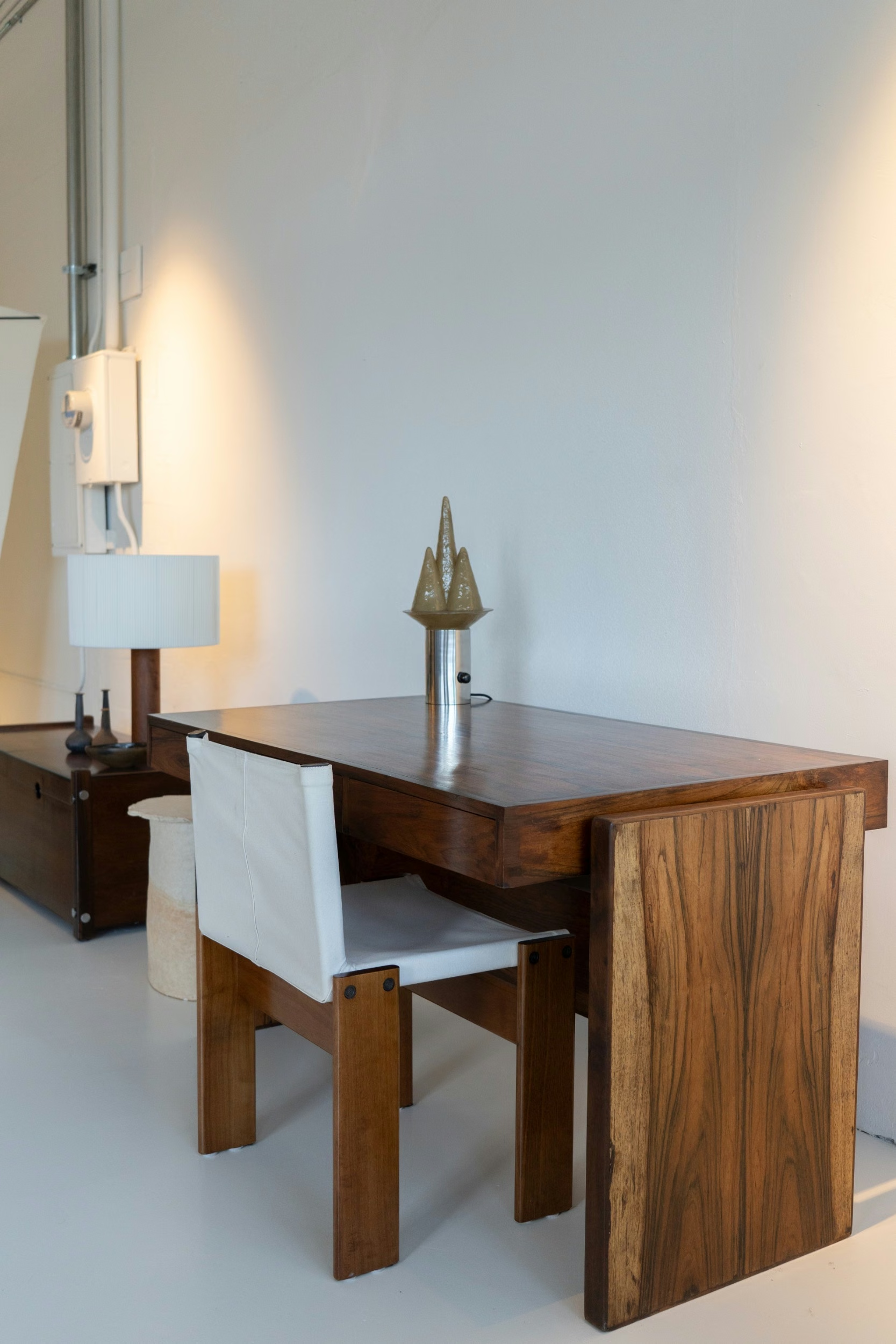
Jorge Zalszupin and Sergio Rodrigues used jacarandá extensively throughout their works. José Zanine Caldas worked with massive pieces of native timber and reclaimed wood. Joaquim Tenreiro's Three-Legged Chair was even more radical - it combined up to five Brazilian wood species, using their natural color and grain to create its striped pattern - a technically demanding process, as each wood dries differently.
Many of these objects were made with the highest level of craftsmanship, and continue to serve their original purpose fifty or seventy years later.
One of the reasons why original works of Brazilian modernism are in such high demand today is their limited supply. Many important designs were produced in relatively small numbers, and much of this furniture remained in Brazil for decades before entering the international market.
In the 1950s, Brazil’s national industry and domestic market were booming. Import-substitution policies encouraged local production; the rise of modern architecture, including the construction of Brasília, created new demand for furniture.
The production system itself was quite diverse: small workshops existed alongside design-led factories and larger companies such as Sergio Rodrigues’s Oca and Jorge Zalzupin’s L’Atelier. Many important models today were produced in relatively small numbers, while others were developed for specific architectural projects or private commissions.
Tenreiro’s furniture was hand-made, and by the end of the 1960s he had closed his business and shifted to painting and sculpture. The supply of original pieces from his workshops has been fixed for more than half a century.
Most Brazilian furniture of the period continued to circulate within Brazil. Decades later, dealers began finding many of the pieces that now sit in American and European collections.
Unique local materials
Jacarandá-da-bahia, or Brazilian rosewood, appears throughout the work of Tenreiro, Rodrigues, Zalszupin, and many other designers of the period. Today, Brazilian rosewood is protected under CITES; the large quantities and dimensions of Brazilian rosewood available to designers in the mid-twentieth century are no longer available for contemporary production in the same way.
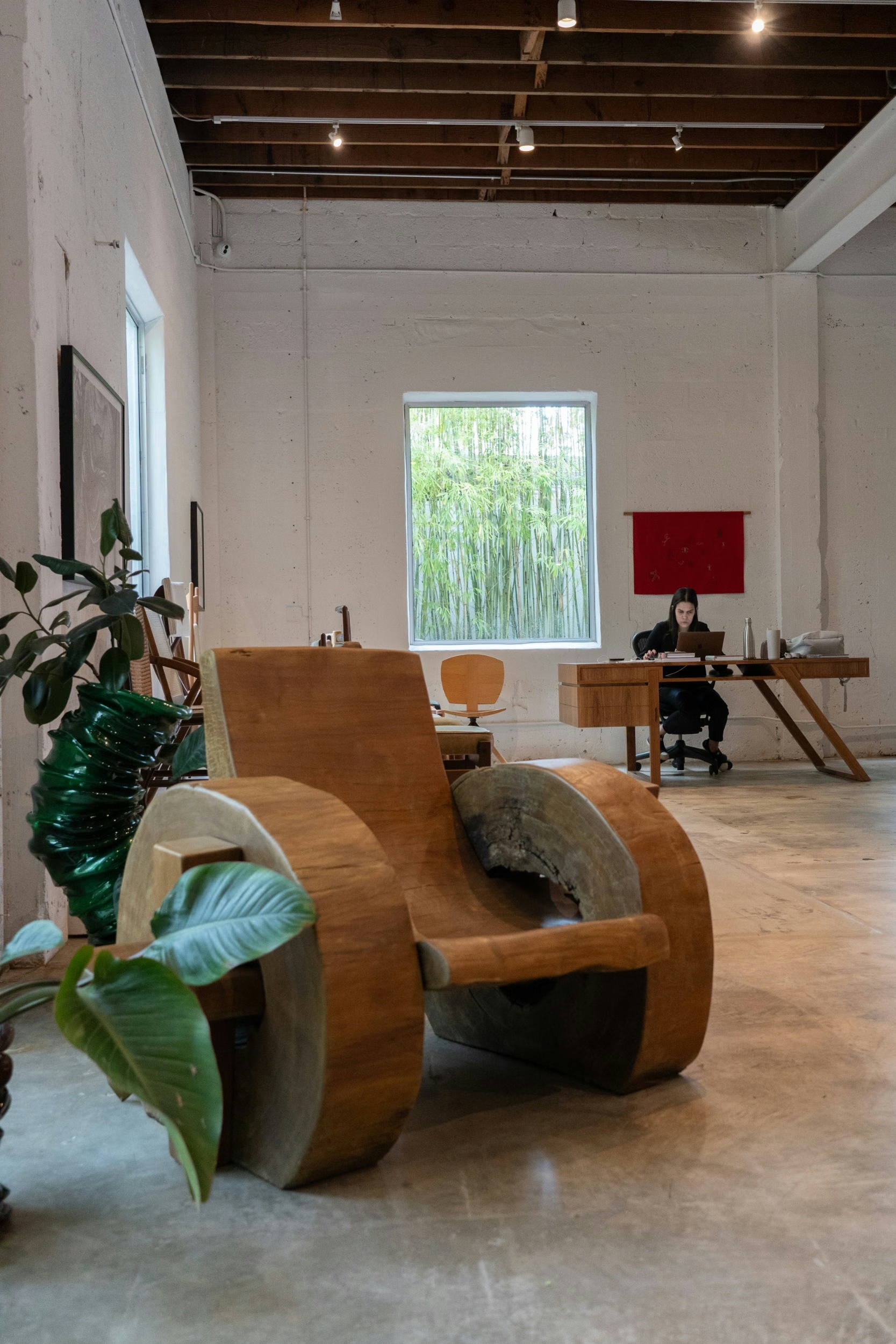
José Zanine Caldas took this attention to material in an ecological direction. By the late 1970s, he was working with massive pieces of timber, fallen trees, and wood left behind by logging. His Móveis Denúncia series drew attention to accelerating deforestation by making the scale and shape of the tree central to each object.
International influence, Brazilian identity
Brazil attracted designers with European training. Brazilian designers worked alongside architects and makers who had arrived from Europe, and all of them were responding to the same local conditions.
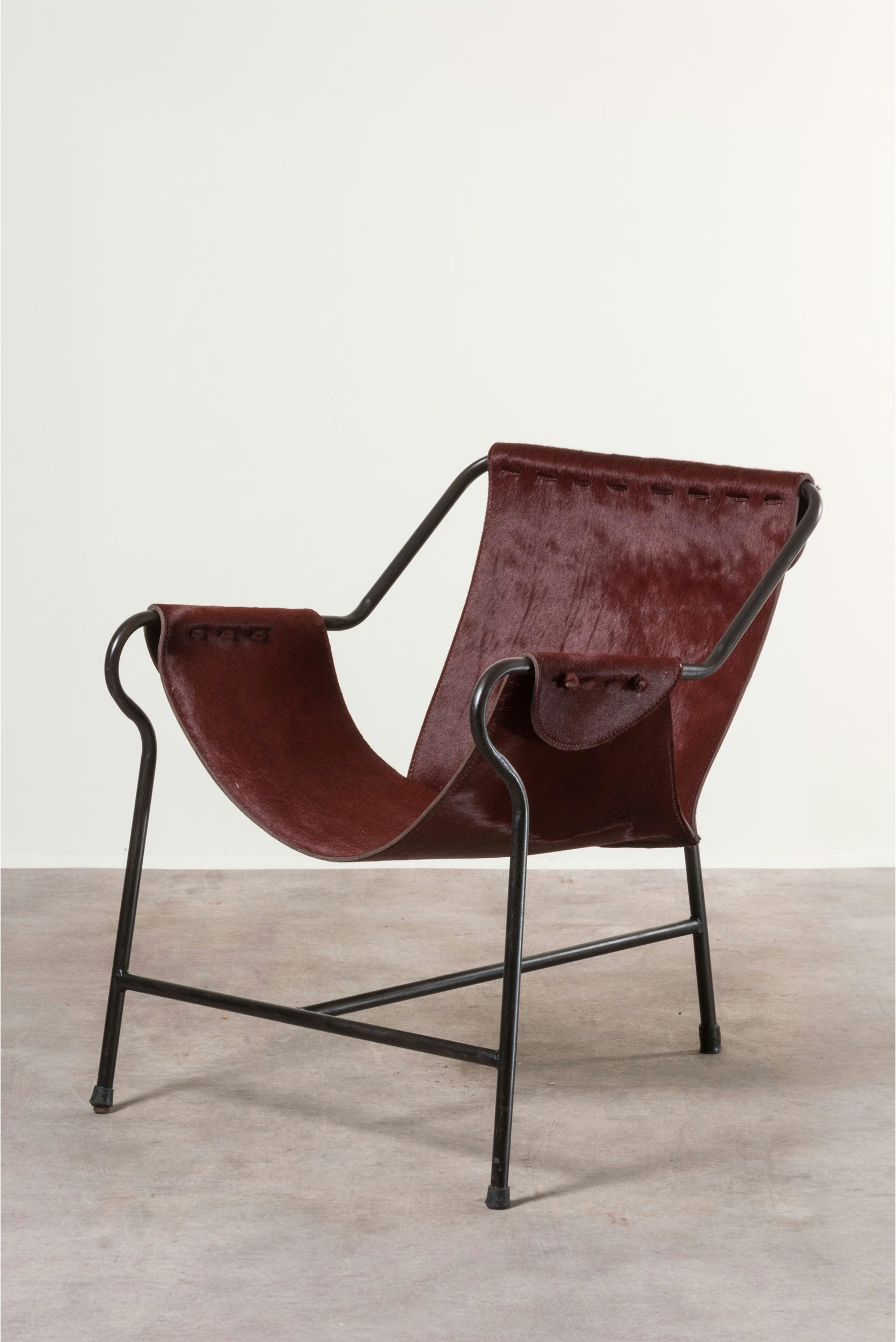
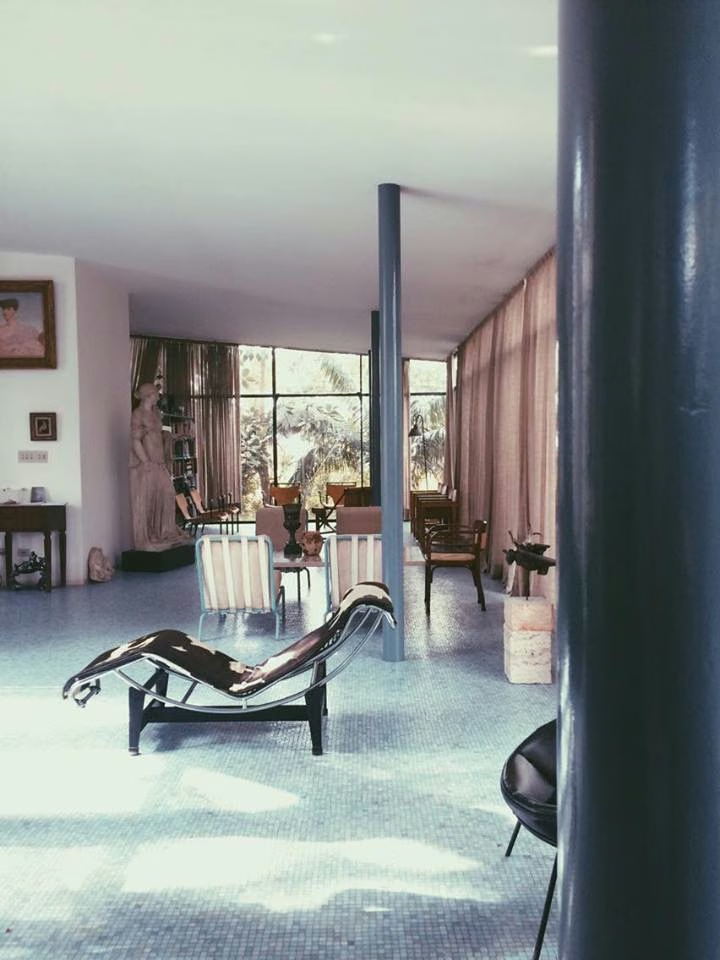
Lina Bo Bardi studied architecture in Rome, worked in Milan, moved within Gio Ponti’s circle, and contributed to Domus. In 1946, she moved to Brazil. Her later work became connected to the local climate and Brazilian material culture. In the Tripé de Ferro, a thin metal frame supports a freely suspended leather seat. At Casa de Vidro, furniture exists within a house that is physically and visually surrounded by tropical vegetation.
Jorge Zalszupin studied architecture in Europe and arrived in Brazil after the war. Local woods and the country’s construction boom gave him the conditions to develop an unusually broad range of furniture. By the 1960s and 1970s, L’Atelier had grown into a substantial manufacturing operation with two factories, multiple stores, and commissions for public buildings in Brasília.
International modernism brought a system of proportions and an interest in contemporary production technologies. The Brazilian context added local woods, climatic requirements, craft traditions, and a noticeably relaxed relationship between furniture and the body.
Where to see and study Brazilian Modern
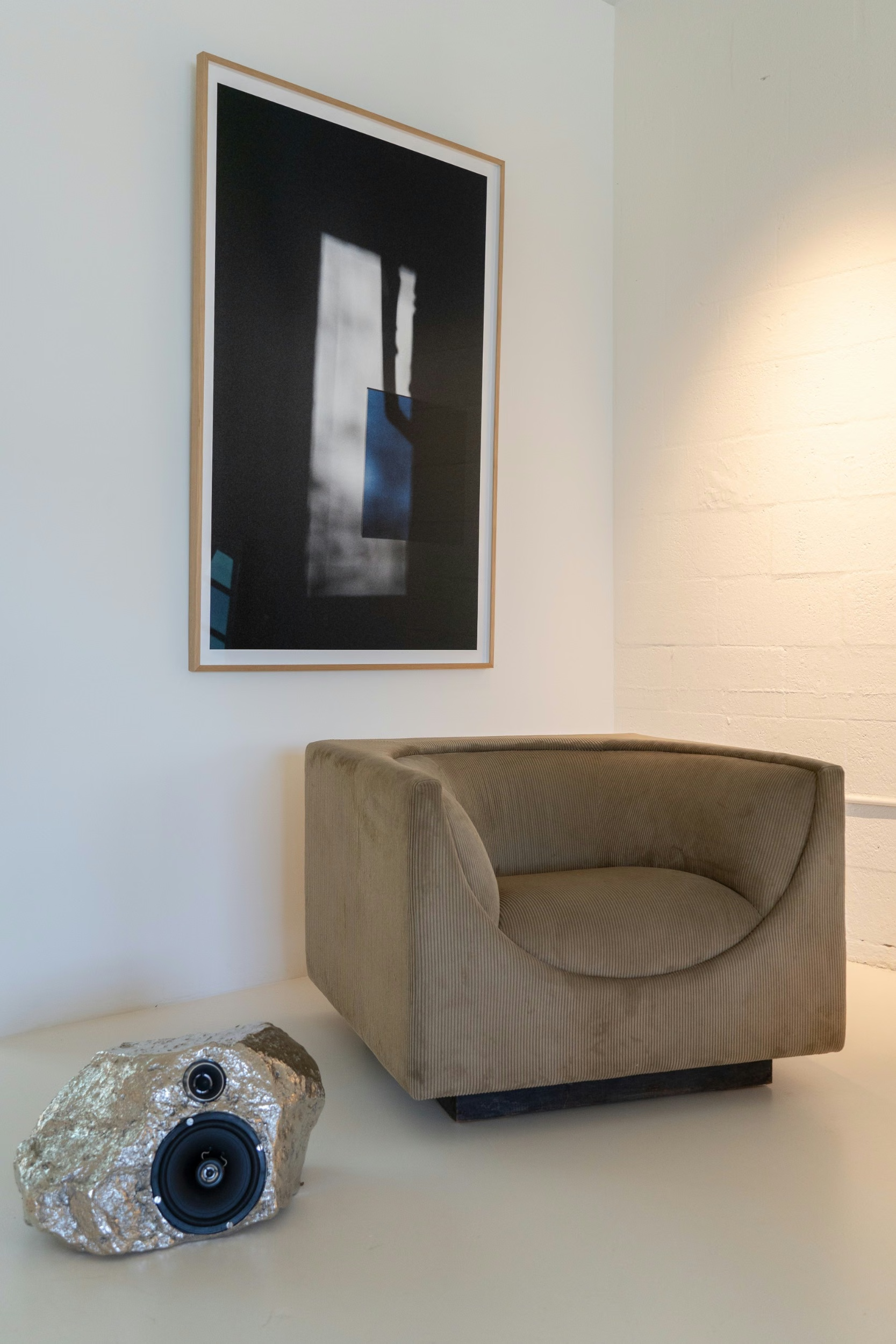
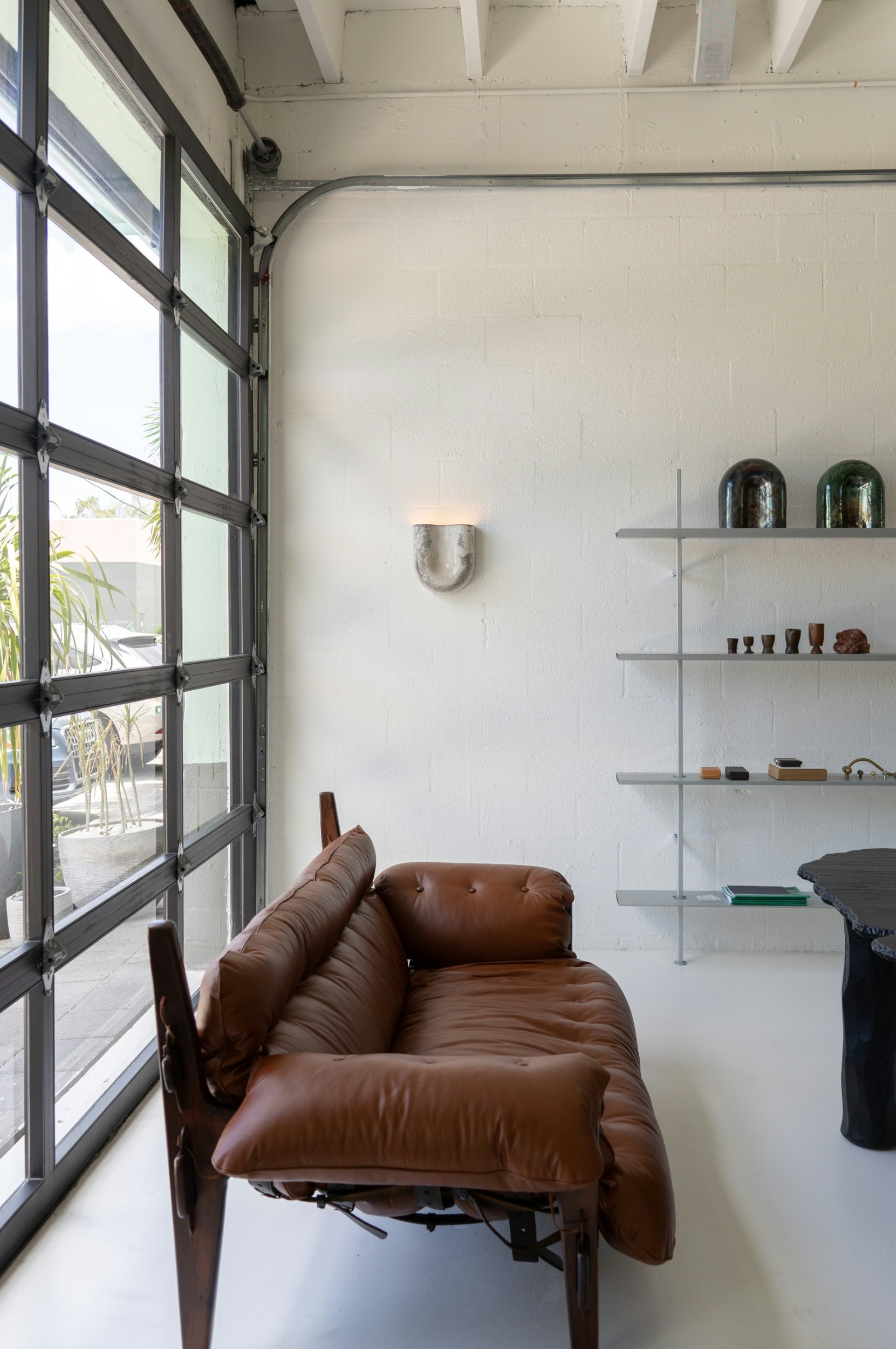
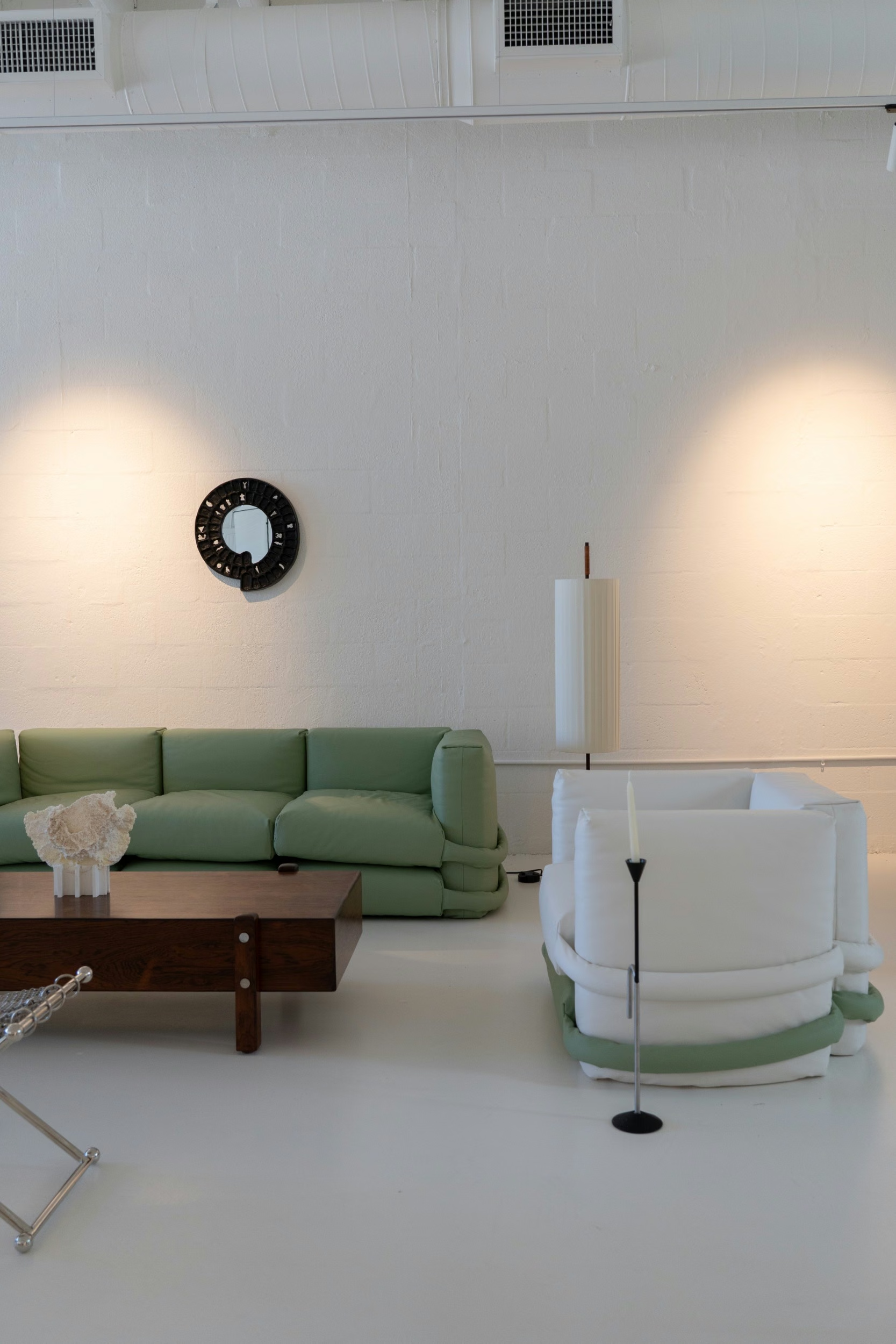
Our first encounter with Brazilian design in person happened at CY Gallery in Miami, where our Onda sconces are also represented. Brazilian vintage appears there alongside contemporary collectible design, which makes it a useful place to see how these historical pieces work in a current context.
ESPASSO is the most specialized local destination. Founded by Carlos Junqueira in Long Island City in 2002, the gallery was created to introduce Brazilian design to the U.S. market. It moved to Tribeca in 2006, later opened a Miami showroom, and now works across New York, Miami, Los Angeles, and London.
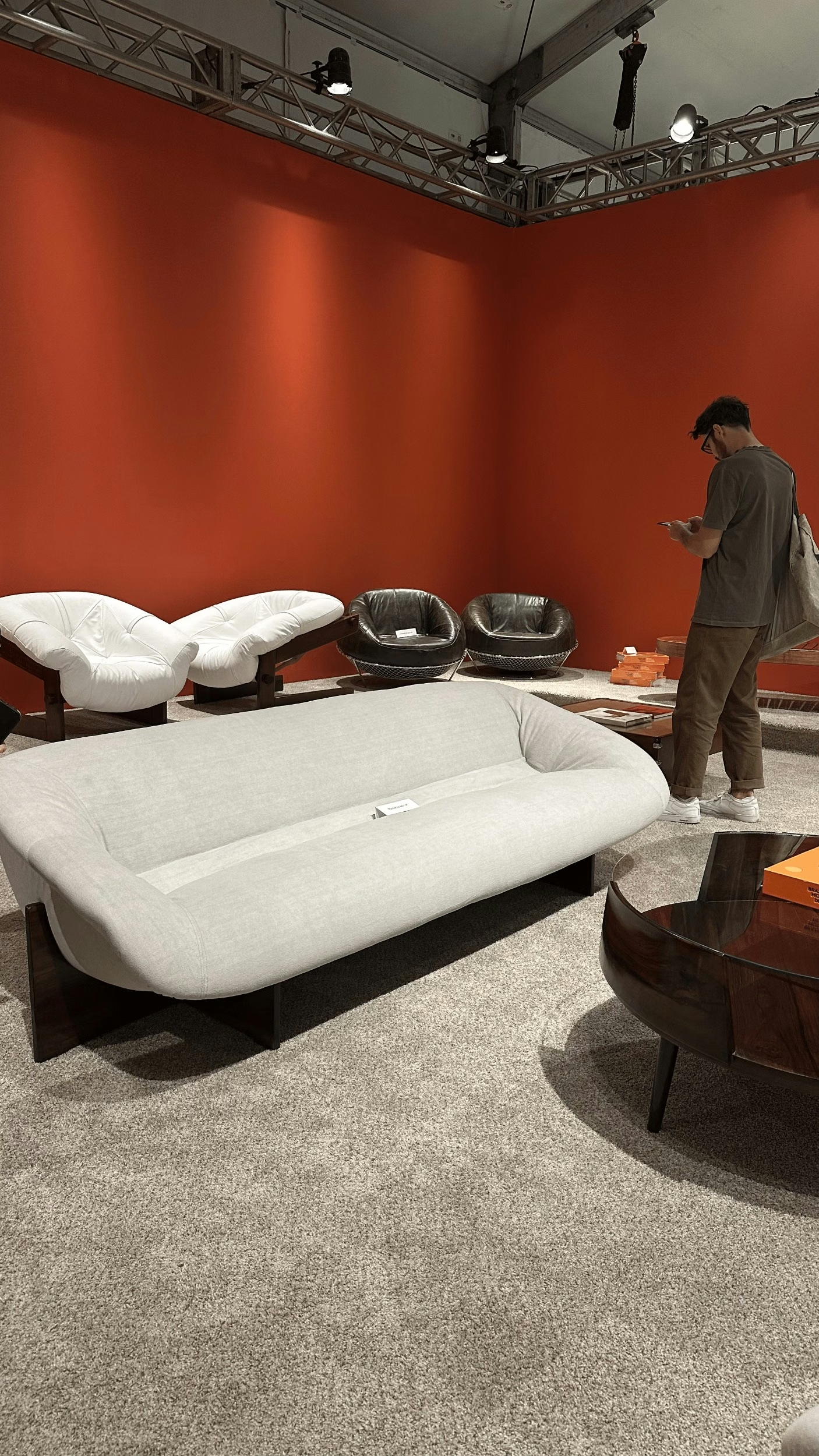
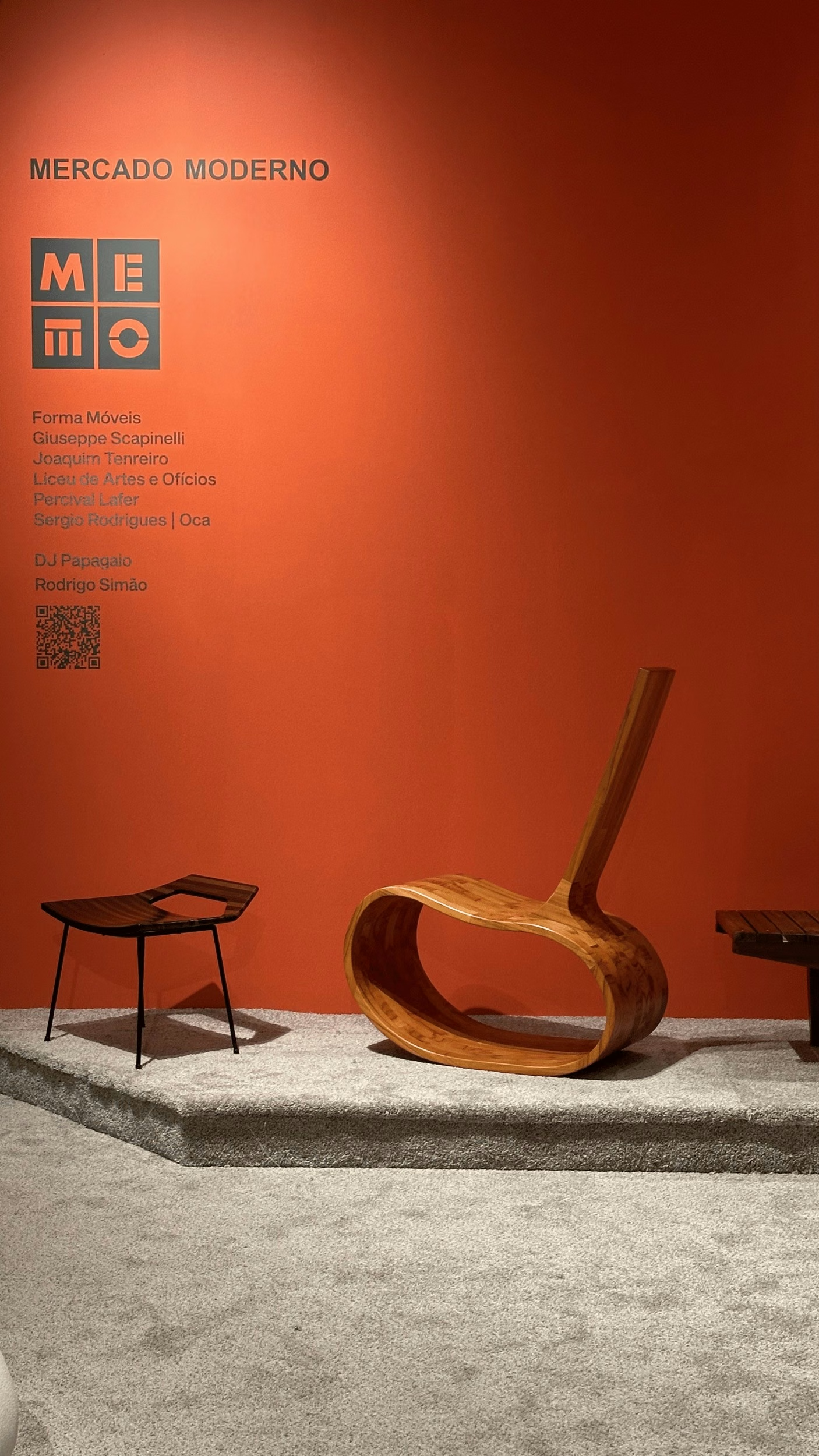
At Design Miami, Brazilian galleries have become regular participants, often bringing pieces with strong provenance. Diletante has presented works by Lina Bo Bardi, Joaquim Tenreiro, Jorge Zalszupin, José Zanine Caldas, and Sergio Rodrigues; Mercado Moderno has repeatedly brought twentieth-century Brazilian design to the fair.
Mercado Moderno also played an important role in documenting the field. Founded in Rio in 2001, the gallery began tracing furniture, old catalogs, manufacturers, family archives, and historical photographs. This research helped recover information about designers and companies whose documentation had become fragmented over time.
In New York, R & Company became one of the key institutions for presenting this material to an American audience. Its 2015 exhibition Brazil Modern brought together Tenreiro, Rodrigues, Zalszupin, Zanine Caldas, Oscar Niemeyer, Lina Bo Bardi, Carlo Hauner, and Martin Eisler, alongside original drawings and rare period publications. In 2016, the gallery worked with Monacelli Press on Aric Chen’s Brazil Modern: The Rediscovery of Twentieth-Century Brazilian Furniture, a 304-page study with more than 400 historical images. The book became one of the main English-language references on the subject.
In Europe, Nilufar has played a similar role in bringing Brazilian modernism to a wider audience. In 2016, the Milan gallery presented more than 40 Brazilian works from the 1940s through the 1970s, accompanied by a dedicated catalogue, followed by a major Joaquim Tenreiro exhibition in 2017. Brazilian design has remained part of Nilufar’s program since, with works by Zalszupin, Zanine Caldas and other Brazilian designers continuing to appear in its exhibitions and collection.
Places & Resources
Miami
- CY Gallery
- ESPASSO
- Design Miami Fair — Diletante, Mercado Moderno
New York
- R & Company
- ESPASSO
- Bossa Furniture
Europe
- Brazil Modernist / Pereira & Matis — Paris
- ESPASSO — London
- Nilufar — Milan
- PAD Paris, PAD London Fair — Brazil Modernist, Nilufar, JCRD Design, BOOROOM
Research and attribution
- Instituto Bardi
- Instituto Sergio Rodrigues
- MoMA, The Met, and LACMA collections
- R & Company archive and Brazil Modern
- Brazilian university archives and historical manufacturer catalogs